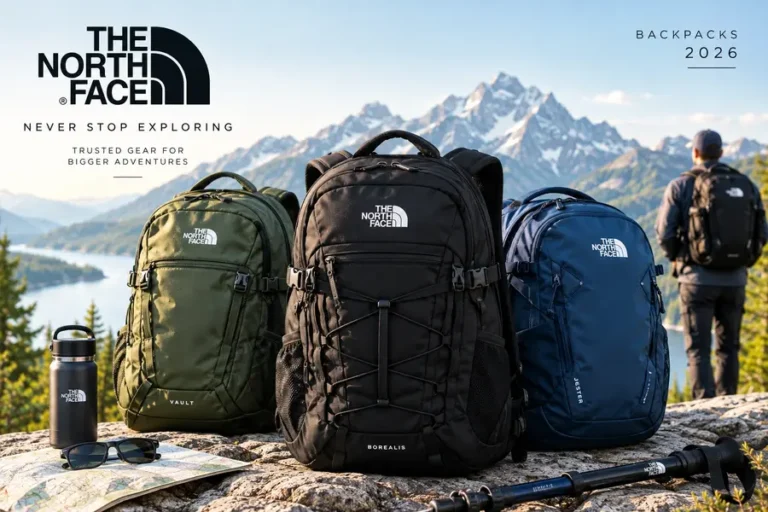
Best Hiking Backpacks: 4 Smart Picks for Every Trail
Finding the best hiking backpacks starts with an honest look at how you actually hike, since a pack built for a multi-day trek behaves very differently on the trail than one built for a quick afternoon hike. Capacity, fit, and support all shift depending on how long you’re out and how much gear you’re carrying.
This guide breaks down the main hiking backpack categories, the fit considerations that matter most, and how to match a pack to your specific trail plans.
Table of Contents
- Hiking Backpack Categories by Trip Length
- Fit and Comfort Considerations
- Key Features Worth Prioritizing
- Matching a Pack to Your Hiking Style
Hiking Backpack Categories by Trip Length
Hiking backpacks are generally sized in liters, and trip length is the single biggest factor in deciding how much capacity you actually need.
- Daypacks (15 to 30 liters) suit short day hikes, holding water, snacks, layers, and basic essentials without unnecessary bulk.
- Overnight packs (30 to 50 liters) work well for one to two-night trips, offering enough room for a sleeping bag, minimal cooking gear, and extra clothing.
- Multi-day packs (50 to 75 liters) are built for extended backcountry trips, providing space for several days of food, a tent, and a full sleep system.
- Expedition packs (75+ liters) suit longer, more remote trips, particularly in colder conditions requiring bulkier gear.
The National Park Service’s backpacking gear guidance treats a properly sized backpack as one of the essential foundational items for any backcountry trip, alongside shelter and a sleep system, which reflects how central pack selection is to a successful hike.
Fit and Comfort Considerations
Capacity matters, but a poorly fitting pack can undermine even the best-designed backpack on the market. Fit issues become especially noticeable on longer hikes, where discomfort compounds over hours on the trail.
Key fit factors to check:
- Torso length, not height. Backpack sizing is based on torso length, which doesn’t always correlate directly with a person’s overall height.
- Hip belt fit. A properly fitted hip belt should carry the majority of the pack’s weight, taking pressure off your shoulders.
- Adjustable shoulder straps. These should sit comfortably without digging in, with enough room to fine-tune the fit once the pack is loaded.
- Load lifters. These small straps near the shoulders help pull the pack’s weight closer to your body, improving balance on uneven terrain.
Trying on a pack with some weight inside, rather than empty, gives a much more accurate sense of how it will actually feel on the trail.
Key Features Worth Prioritizing in a Hiking Backpack
Beyond basic capacity and fit, a few specific features consistently separate a genuinely useful hiking backpack from one that merely holds gear.
- A supportive internal frame, which helps distribute weight evenly and maintains the pack’s shape under load.
- Multiple access points, such as a front panel opening in addition to the top, making it easier to reach gear without fully unpacking.
- Hydration reservoir compatibility, allowing hands-free water access on longer hikes.
- External attachment points, useful for trekking poles, an ice axe, or a sleeping pad that doesn’t fit inside the main compartment.
- A rain cover or water-resistant material, since unexpected weather is a common reality on longer trail days.
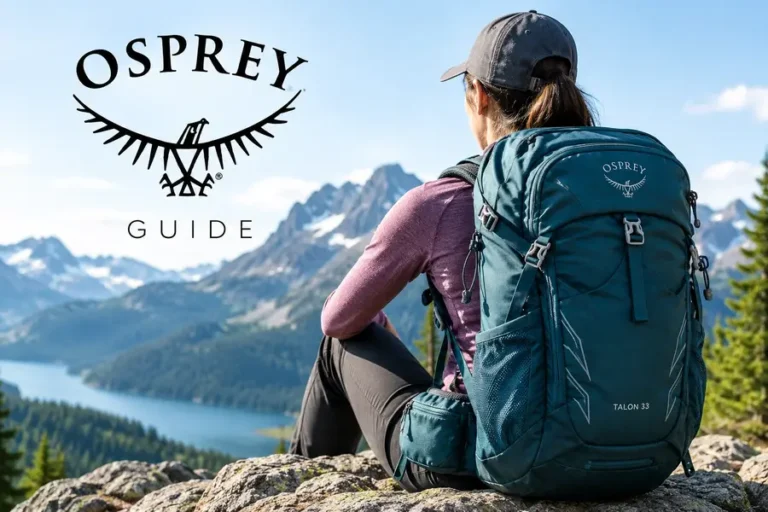
Brands like Osprey have built a strong reputation specifically around hiking backpack fit and durability. Our Osprey Guide breaks down their pack lineup in more detail, covering options across different capacities and trip types.
Matching a Hiking Backpack to Your Style
The best hiking backpacks for you depend heavily on the type of hiking you actually do most often, rather than the type you might occasionally aspire to.
Consider your typical trips:
- Casual day hiker: A lightweight daypack in the 20 to 25-liter range covers most needs without unnecessary bulk or weight.
- Weekend backpacker: A 40 to 50-liter pack with a supportive frame balances capacity with manageable weight for one to two-night trips.
- Serious multi-day trekker: A 60+ liter pack with a robust suspension system becomes worthwhile once you’re regularly carrying several days of food and gear.
- Trail runner or fastpacker: A minimalist, close-fitting pack in the 10 to 20-liter range prioritizes stability and reduced bounce over raw capacity.
Being honest about your typical trip length and terrain, rather than buying for an idealized future trip, leads to a far better long-term match between hiker and pack.
Frequently Asked Questions
What size hiking backpack do I need for a day hike?
A daypack in the 15 to 30-liter range is typically sufficient for most day hikes, covering water, snacks, layers, and basic essentials.
How is hiking backpack sizing determined?
Hiking backpacks are sized based on torso length rather than overall height, so it’s worth measuring your torso specifically before choosing a pack size.
Do I need an internal frame or external frame backpack?
Most modern hiking backpacks use internal frames, which offer a closer, more stable fit for varied terrain. External frame packs remain useful for very heavy, awkward loads but are less common today.
How much weight should a hip belt carry versus shoulder straps?
A properly fitted hip belt should carry the majority of the pack’s weight, ideally 70 to 80 percent, with shoulder straps mainly providing stability rather than bearing the main load.
Is a bigger hiking backpack always better?
Not necessarily. A pack larger than you need often leads to overpacking and unnecessary weight, so matching capacity to your typical trip length is usually the better approach.
Conclusion
The best hiking backpacks for you come down to matching capacity, fit, and features to your actual hiking habits rather than chasing the biggest or most feature-packed option available. Prioritize proper torso-length fit and a supportive hip belt above all else, since even a well-designed pack won’t perform well if it doesn’t fit correctly. With the right pack chosen thoughtfully, you’ll notice the difference in comfort on every trail you take it on.
It’s also worth considering the conditions and terrain you’ll encounter most often. Features such as ventilation, water resistance, accessible pockets, and durable materials can add convenience without unnecessary bulk. By choosing a backpack that suits your typical routes and packing needs, you can stay comfortable, organized, and focused on enjoying the trail.